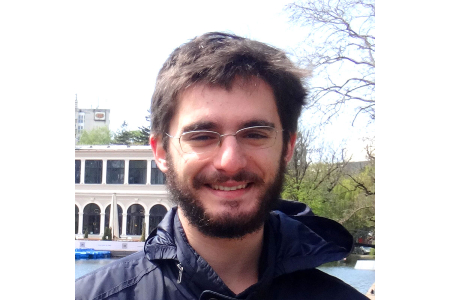
DEI Talks | “Trustworthy AI Under Constraints: From Small Language Models to Adaptive Antibiotic Treatment” by Vi Ngoc-Nha Tran (UiT The Arctic University of Norway)

The talk entitled “Trustworthy AI Under Constraints: From Small Language Models to Adaptive Antibiotic Treatment” will be given on 14 July at 4:00 pm in room B001, moderated by Prof. Gil Gonçalves (DEI).

About the Talk:

“This talk presents two current research directions in trustworthy and efficient AI systems for sensitive domains. The first part focuses on small language models as a practical alternative to large language models in settings where cost, energy use, privacy, local deployment, and governance are important. I will present our recent work on privacy risks in chatbots built on small language models, showing that standard template-based evaluations can underestimate personally identifiable information leakage. Our results motivate a broader view of reliability, where prompts, role formatting, decoding choices, and deployment settings are treated as part of the AI system itself.
The second part introduces OptiRegi, a project that uses reinforcement learning to study optimized dynamic antibiotic dosing regimens. The goal is to explore how treatment decisions can adapt over time while balancing bacterial killing, toxicity, resistance development, and changing infection dynamics. Together, these two projects highlight a common theme: building AI systems that remain trustworthy under real-world constraints, from privacy and deployment challenges in small language models to safe and adaptive treatment optimization.”

About the Speaker:

Dr. Vi Ngoc-Nha Tran is an Associate Professor of Computer Science at UiT The Arctic University of Norway and a member of the steering group of NORA.startup, the innovation network of the Norwegian Artificial Intelligence Research Consortium. She holds a Ph.D. in Computer Science from UiT, was a visiting scholar at Rutgers University, USA, and received an Erasmus Mundus scholarship for a European M.Sc. in Software Engineering. Her research spans machine learning, health technology, high-performance computing, and energy-efficient computing. She currently leads two projects as principal investigator: a UiT-funded project on trustworthy small language models for regulated domains, and OptiRegi, a Research Council of Norway-funded project on optimized dynamic antibiotic dosing using reinforcement learning.

DEI Open Day 2026 looks at the challenges of Artificial Intelligence in organizations

The Department of Informatics Engineering (DEI) at the Faculty of Engineering of the University of Porto (FEUP) will hold, on July 14, the 2026 edition of DEI Open Day, an annual event that brings together companies, institutions and the academic community to showcase the department’s teaching, research and innovation activities. This year’s meeting will focus on the theme “Transformation with Artificial Intelligence: Challenges and Paths for the Future“. Throughout the day, the organizers aim to launch a broad debate on the challenges posed by AI adoption in public and private organizations, seeking to identify paths toward sustainable digital transformation and the role that Informatics Engineering can play in that process.

Opening and international keynote

The program starts at 09:00 with the reception of participants, followed at 9:30 by the opening session, featuring remarks from Rui Calçada, Director of FEUP, and João Paiva Cardoso, Director of DEI. The opening talk will be delivered by Cátia S. Silva, Associate Professor at the University of Florida, under the title “From Models to AI Systems: AI Engineering for Digital Transformation“. The researcher will discuss the shift from a model-development-centered AI to an approach oriented toward AI systems engineering, addressing how recent advances in foundation models are expanding the skills required of AI engineers — from systems integration to data engineering, computing infrastructure, and human-system interaction. Cátia Silva coordinates master’s programs in AI Systems and Applied Data Science at the U.S. university and has received several awards for her teaching work, including the UF Undergraduate Teacher of the Year and the UF Rising Star Award, both in 2025.

Panel brings together industry, justice, and public administration

Between 10:30 and 12:00, a discussion papel dedicated to the event’s central theme will take place, moderated by Ana Paula Rocha, Vice-President of FEUP’s Pedagogical Council. Representatives from different sectors will gibe their contribute:

Diogo Pernes, Lead Research Scientist at OutSystems;
Nuno Fonseca, Board Member of IGFEJ – Instituto de Gestão Financeira e Equipamentos da Justiça (Portugal’s Institute for Financial Management and Justice Infrastructure);
Nuno Paiva, Head of Data Science, B2C & SME at NOS;
Rodrigo Passos, City Councillor at the Porto City Council;
Sofia Gomes, Director of Data Engineering at Feedzai.

The diversity of profiles, spanning corporate digital transformation, justice system modernization, innovation in public administration, and the implementation of data and AI solutions in a global context, is expected to fuel a discussion on the challenges and opportunities of AI adoption in both the public and private sectors.

Afternoon dedicated to ways of collaborating with DEI

After the event’s official photograph (12:15) and lunch, the afternoon is reserved for individual sessions on possible ways to collaborate with DEI, namely master’s dissertations across the department’s various master’s programs, the Integrative Project of the Bachelor’s in Informatics and Computing Engineering (L.EIC), the Project Management Laboratory (LGP), FEUP Prime and DoRPE, and opportunities related to the department’s student groups.

Through this initiative, DEI aims not only to present the current state of its scientific and pedagogical activity, but also to open the door to new partnerships with companies and institutions interested in collaborating on projects across various areas of informatics engineering.

Abel Dantas appointed to the European Commission’s AI Act Advisory Forum

Abel Dantas, Invited Assistant Professor at the Department of Informatics Engineering (DEI) and a PhD candidate in the Doctoral Programme in Informatics Engineering (ProDEI), has been appointed by the European Commission’s AI Office to join the AI Act Advisory Forum, a group of experts that advises the European Commission and the European AI Board on the implementation of the European Union’s new Artificial Intelligence Regulation, the AI Act.

The AI Act is the world’s first comprehensive legislation on artificial intelligence and represents a major milestone in establishing common rules for the development, use, and oversight of AI systems within the European Union. The Advisory Forum brings together experts from academia, industry, and civil society to support the practical implementation of the legislation by providing technical expertise and multidisciplinary perspectives.

The Forum’s first meeting took place on 19 June 2026. According to information shared by Abel Dantas, the appointment is made in a personal capacity, as an individual expert, in connection with his involvement in Cooptech, a technology cooperative of which he is a founder. The selection process took into account both the expert’s background and standing, as well as the profile of the associated organization.

In Abel’s case, this background also includes FEUP, where he teaches in the Bachelor’s Degree in Informatics and Computing Engineering (L.EIC) and conducts research in the field of distributed systems. His appointment therefore represents recognition of the scientific and professional relevance of his work, while also strengthening FEUP’s presence in European forums dedicated to the regulation and governance of artificial intelligence.

Participation in the AI Act Advisory Forum may also create opportunities for knowledge sharing and for highlighting the contributions of FEUP and the University of Porto to the European debate on the ethical, technical, and regulatory challenges associated with artificial intelligence.

PhD Thesis Defence in Digital Media (PDMD) | ”The Ironic Machine[s]: Speech Emotion Recognition Methods for Affective Virtual Environment Generation”

Candidate:
Jorge Federico Forero Rodríguez

Date, Time and Location:
8 July 2026, at 14:30, Sala de Atos of the Faculdade de Engenharia da Universidade do Porto

President of the Jury:
João Carlos Pascoal Faria (PhD), Full Professor of the Department of Informatics Engineering of the Faculdade de Engenharia da Universidade do Porto.

Members:
Nuno António do Nascimento Correia (PhD), Associate Professor at University of Tallinn, Estonia;
Hugo Gonçalo Oliveira (PhD), Associate Professor of the Department of Informatics Engineering, Faculdade de Ciências e Tecnologia da Universidade de Coimbra;
Nuno Manuel Robalo Correia (PhD), Full Professor of the Department of Informatics, Faculdade de Ciência e Tecnologia da Universidade Nova de Lisboa;
Mónica Sofia Santos Mendes (PhD), Assistant Professor with Habilitation, Faculdade de Belas-Artes da Universidade de Lisboa (Supervisor);
Tiago Barbedo Assis (PhD), Assistant Professor of the Department of Design, Faculdade de Belas-Artes da Universidade do Porto;
António Fernando Vasconcelos Cunha Castro Coelho (PhD), Associate Professor with Habilitation of the Department of Informatics Engineering, Faculdade de Engenharia da Universidade do Porto.

The thesis was co supervised by Gilberto Bernardes de Almeida, Assistant Professor of the Department of Informatics Engineering of the Faculdade de Engenharia da Universidade do Porto.

Abstract:

The Ironic Machine[s] is a practice-based research project that explores the use of a bimodal speech emotion recognition system for the generation of affective virtual environments and creative
computational artifacts. Situated at the intersection of media art, affective computing, and natural language processing, the study investigates how rhetorical figures such as kind irony and sarcasm emerge through the divergence between semantic and acoustic emotional predictions, and how this interaction can inform the construction of Affective Virtual Environments. The primary contribution of this thesis is the formulation and empirical evaluation of a method for analyzing illocutionary irony using multimodal speech emotion recognition datasets. Building on sentiment analysis and speech emotion recognition techniques, the research introduces a statistical inference framework that integrates perceptual evaluation with hypothesis-driven analysis to identify prosodic features that significantly differentiate sincere and ironic speech. For posed American English samples, the results demonstrate that divergences between semantic and acoustic emotional predictions can be systematically quantified, supporting the hypothesis that prosodic irony can be understood as a measurable multimodal phenomenon. A secondary objective investigates whether these findings can be translated into a generative strategy for constructing Affective Virtual Environments. To this end, a three-level prompt engineering framework is proposed, mapping semantic and acoustic emotional predictions onto audiovisual features informed by statistical analyses of musical and visual datasets. Perceptual evaluation indicates that feature-based prompting shows a consistent advantage over high-level emotional labels, although the results do not reach conventional levels of statistical significance. The investigation is realized through a series of nine technological and artistic iterations, developed as autonomous yet interconnected works. These projects function as experimental platforms for exploring emotional ambiguity, disorientation, and the instability of meaning in computational environments within a techno-poetic narrative. Collectively, this work proposes both a methodological framework for the analysis of irony and a speculative approach to affective environment generation. It positions divergence between modalities as an operational principle in multimodal systems and demonstrates how practice-based research can serve as a rigorous mode of inquiry into the relationship between human emotion and machine-mediated representation.

Keywords: Speech Emotion Recognition, Prosodic Irony, Affective Virtual Environments, Multimodal Analysis, Practice-based Research, Media Art.

PhD Thesis Defence in Digital Media (PDMD) | ”The Musical Work as a Mutable Interface: Towards a Co-Creative Electroacoustic Practice”

Candidate:
Nádia de Sousa Varela de Carvalho

Date, Time and Location:
6 July 2026, at 14:30, Room Professor Vasco de Sá (L119) at DEMec, Faculdade de Engenharia da Universidade do Porto

President of the Jury:
António Fernando Vasconcelos Cunha Castro Coelho (PhD), Associate Professor with Habilitation, Department of Informatics Engineering, Faculdade de Engenharia da Universidade do Porto

Members:
Diemo Schwarz (PhD), Researcher of the Institute for Research and Coordination in Acoustics/Music (IRCAM), France;
Rui Luís Nogueira Penha (PhD), Coordinating Professor, Escola Superior de Música e Artes do Espetáculo do Instituto Politécnico do Porto;
Sofia Carmen Faria Maia Cavaco (PhD), Assistant Professor, Informatics Departament, Faculdade de Ciências e Tecnologia da Universidade Nova de Lisboa;
António Humberto Sá Pinto (PhD), Invited Assistant Professor, Departament of Informatics Engineering, Faculdade de Engenharia da Universidade do Porto and Affiliated Researcher at the Institute of Systems and Computer Engineering, Technology and Science (INESC TEC);
Gilberto Bernardes de Almeida (PhD), Assistant Professor, Department of Informatics Engineering, Faculdade de Engenharia da Universidade do Porto (Supervisor).

Abstract:

This thesis investigates the ontological and performative shift of the musical work. In this sense, we propose using intelligent computational mediation to reconfigure it from a static artefact into a mutable interface. Historically, the Western musical tradition has been framed by the work-concept (werktreue), which crystallizes the composition as an immutable object preserved by the rigidity of the score or the phonographic medium. However, contemporary digital and electroacoustic practices demand new paradigmas that account for the fluid boundaries between composition, performance, and technological agency. Acknowledging that, this research proposes a transition from the static score to the navigable topological manifold. Rather than utilizing fixed musical notation, these spaces treat the musical work as a dynamic environment. In this environment, identity is preserved through structural fluidity, leading to a paradigm change to a contextual navigation model. In a symbiotic dialogue of real-time structural discovery, the machine provides a restricted, high-dimensional map of the work’s universe, which the performer navigates using their gestural intuition.

The methodology follows a mixed approach between experimental and practice-based research. This methodology operates over a reflective-iterative cycle, integrating software development with musical performance. The study is divided into two main phases: symbolic (tonal) and sub-symbolic (timbre) representation and navigation. In the first phase, variational autoencoders (VAEs) are used to compress symbolic polyphony. A critical milestone was the empirical alignment found between unsupervised VAE latent spaces and theoretical Discrete Fourier Transform (DFT) phase spaces. This alignment confirms that black box latent space models naturally discover structural principles consistent with established music theory, such as the circle of fifths. The second phase employs Neural Audio Synthesis (RAVE) to map the timbre landscape of the tenor saxophone into high-dimensional latent spaces. To navigate these spaces, the research introduces a taxonomy of musical motions (parallel, oblique, and contrary). These motions propose to connect abstract data and musical intent, enabling gestural navigation that honours performer agency.

The practical applicability of this research is materialized in BroadcastJSB and Aethra. The former, a web-based topological instrument, uses a radio metaphor for real-time navigation within J.S. Bach’s chorales’ latent space. The latter consists of a co-creative interface for mixed music that synthesizes multidimensional complexity into a single axis of performative control. The primary contribution of this work lies in the formalization of the mutable work as a space of possibilities. We also demonstrate musical intelligibility within deep learning models and create open-access tools and data repositories for the computer music research and contemporary performance communities. In summary, the thesis argues that the future of musical practice lies in improving human intuition through intelligent mediation. By doing this, we position the mutable interface as a key place for collaboration and creative exploration in today’s digital world.

DEI Talks | “Natural and artificial trust for decision-making in human-machine teamwork” by Carolina Centeio Jorge

The talk entitled “Natural and artificial trust for decision-making in human-machine teamwork” will be given on 25 June at 11:00, in room B011.

About the Talk:

“Human-machine teams count on both humans and artificial agents to work together collaboratively. In human-human teams, we use trust to make decisions, such as which teammate should do which task, based on what we believe might be successful. Our prediction of task success is based on our beliefs of others’ trustworthiness, which can be divided into several dimensions, e.g., competence, willingness, external factors, etc.

As artificial teammates’ autonomy increases, the variation of interdependences in human-machine teams increases too. As such, team members need to consider the different possibilities to achieve task success as a team, making the best use of human-machine collaboration. It is then important that all members involved, both humans and machines, have the necessary beliefs of trust and trustworthiness to make decisions that ensure the team’s goal and mitigate possible risks. By formalising trust and trustworthiness beliefs, we can increase the transparency of decisions, either made by humans or machines.

In this talk, I will go over notions of trust, trustworthiness, interdependence and coactive design, all in the context of decision-making in human-machine teams. I will present some of our multidisciplinary research which allow us to increase our (and the machine’s) understandability of the human teammate when collaborating with a machine and, consequently, make the machine teammate more understandable to the human.”

About the Speaker:

Carolina Centeio Jorge is a Senior Data Scientist at Glintt Next in Portugal. She completed her PhD in the Interactive Intelligence group at Delft University of Technology (TU Delft), where she researched mental models and trust in human-AI teams, and was a visiting researcher at the University of Michigan. Carolina has been actively involved in academic service and research communities, including co-founding the MultiTTrust workshop series and serving on TU Delft’s Integrity Board. Having lived in Tokyo, Barcelona, and Delft, she values multidisciplinary and multicultural environments. Today, she combines her research background with industry practice, focusing on customer intelligence.

Entrance is free, no registration required.

Phd Thesis Defence in Digital Media (PDMD) | ”Digital Innovation in Healthcare in a Low-Resource Setting: The case of Mozambique”

Candidate:
Pinto Francisco Impito

Date, Time and Location:
19 June 2026, at 14:00, Sala de Atos, Faculdade de Engenharia da Universidade do Porto

Chair of the Examination Committee:
Pedro Nuno Ferreira da Rosa da Cruz Diniz (PhD), Full Professor in the Department of Informatics Engineering, Faculdade de Engenharia da Universidade do Porto.

Members:
Felisbela Maria Carvalho Lopes (PhD), Full Professor in the Department of Communication Sciences, Instituto de Ciências Sociais da Universidade do Minho;
Ivone Marília Carinhas Ferreira (PhD), Assistant Professor in the Department of Communication Sciences at the Faculdade de Ciências Sociais e Humanas da Universidade Nova de Lisboa;
Carla Susana Moiteiro Ganito Afonso (PhD), Associate Professor at the Faculdade de Ciências Humanas da Universidade Católica Portuguesa;
José Manuel Pereira Azevedo (PhD), Full Professor in the Department of Communication and Information Sciences at the Faculdade de Letras da Universidade do Porto (Supervisor);
Ricardo José Pinheiro Fernandes Morais (PhD), Assistant Professor in the Department of Communication and Information Sciences at the Faculdade de Letras da Universidade do Porto.

The thesis was co-supervised by Dr Vasco Francisco Japissane Cumbe, a lecturer at the Faculdade de Medicina da Universidade Católica de Moçambique.

Abstract:

Introduction:
The increasing complexity of health systems, combined with rapid technological advances, has transformed the ways digital tools are produced, disseminated, and used in healthcare. At the same time, the unprecedented availability of mobile devices and audiovisual resources has expanded access to technologies but also introduced new challenges, such as usage limitations due to structural and infrastructural issues, as well as inequalities in access.
Objective:
This study aimed to evaluate the implementation of digital technologies in health communication in Mozambique, focusing on the use of videos, with particular attention to doctor–patient interaction and medical training. The study implemented and assessed digital resources based on interactive simulation, education, and modeling, proposing a Mozambican digital innovation model adapted to the local context.
Methodology:
The research was conducted through three studies: (1) Interactive Simulation Video (ISV) in Medical Training, (2) Augmented Education Video (AEV) in Pre-ART Counseling for HIV-positive patients, and (3) Modeling Video (MV) in Rehabilitation Strategies. Study 1 evaluated the usability, educational value, and interactive experience of the ISV with medical students (N = 93), using an exploratory sequential approach. Study 2 employed a quasi-experimental design with an intervention group (IG = 23) and a comparison group (CG = 23), involving HIV-positive patients, using the Mann–Whitney U test to compare dimensions related to counseling quality. Study 3 followed a longitudinal design, with pre- and post-intervention assessments, to evaluate the impact of the MV on caregivers’ execution of motor recovery exercises for patients with stroke.
Results:
The studies revealed (1) high levels of agreement regarding realism, clinical relevance, and pedagogical usefulness (ISV); (2) statistically significant differences between groups (IG, CG) concerning time spent on care, appropriateness of counseling format, and decision-making for ART adherence (AEV); and (3) meaningful improvements after the intervention in strengthening practical learning and confidence in performing motor recovery procedures (MV). Overall, the research demonstrated that the structured and adapted use of digital resources, as proposed in this thesis, has high potential to transform communication processes in resource-limited environments.
Conclusion:
The research highlights the importance of structured and adapted integration of digital media in resource-limited contexts. Future investigations should explore more robust experimental designs, with larger samples and longitudinal follow-up, as well as assess the impact of these interventions on real clinical practice and treatment adherence indicators. The consolidation of the Mozambican digital innovation model can advance sustainable health education policies and promote the digital transformation of medical training in Mozambique.

Keywords: Digital innovation; Video; Medical Education; doctor–patient interaction; Mozambique.

Linking Great Partners 2026

On 12 June, the Faculty of Engineering of the University of Porto (FEUP) is hosting another edition of Linking Great Partners (LGP), an initiative within the Project Management Laboratory, a course unit that brings together more than 310 students from various degree programmes to develop innovative technological solutions.

Throughout the semester, the students, organised into multidisciplinary teams, have developed more than 30 proto-startups, of which around 20 were in collaboration with external organisations and 10 were based on their own ideas, working in a real-world environment with partners from industry and society. The event marks the culmination of this process, with public presentations of the projects as part of the LGP Challenge, structured around different stages that explore aspects such as technology, market, execution, ecosystems and social impact.

LGP is a pedagogical model based on “learning by innovating”, promoting experimentation, collaboration with real-world partners and the development of skills in innovation, entrepreneurship and project management.

The session will be streamed online: https://www.youtube.com/live/dNAwX2ONwGU 

PhD Thesis Defence in Informatics Engineering (ProDEI): ”Generative Approaches for Case-Based Explanations in Medical Image Analysis”

Candidate:
Maria Helena Sampaio de Mendonça Montenegro e Almeida

Date Time and Location:
16 June 2026, 14:30, Sala de Atos, Faculdade de Engenharia da Universidade do Porto

President of the Jury:
Carlos Miguel Ferraz Baquero-Moreno (PhD), Full Professor at the Department of Informatics Engineering of the Faculdade de Engenharia da Universidade do Porto

Members:
Peter Johannes Schüffler (PhD), Professor at the Technical University of Munich, Germany;
Carlos Jorge Andrade Mariz Santiago (PhD), Research Assistant at the Robotics and Engineering Systems Laboratory (LARSyS) and Invited Assistant Professor of the Department of Electrical and Computer Engineering of the Instituto Superior Técnico da Universidade de Lisboa;
Jaime dos Santos Cardoso (PhD), Full Professor of the Department of Electrical and Computer Engineering of the Faculdade de Engenharia da Universidade do Porto (Supervisor);
Luís Filipe Pinto de Almeida Teixeira (PhD), Associate Professor of the Department of Informatics Engineering of the Faculdade de Engenharia da Universidade do Porto.

Abstract:

Artificial Intelligence models have been extensively applied to medical image analysis tasks over the past years, achieving outstanding results. However, the obscure reasoning of the models and the lack of supportive evidence causes both clinicians and patients to distrust their predictions, hindering their adoption in clinical practice. In recent years, the research community has focused on developing explanations capable of revealing a model’s reasoning. Among the various types of explanations, case-based explanations emerged as particularly intuitive for medical practitioners. While these types of explanations have been widely researched, they still possess limitations that compromise their real-world application. The main goal of this thesis is to overcome the limitations of medical case-based explanations, enabling their deployment in clinical practice.

To identify the main weaknesses of case-based explanations, we conduct a literature review on models that provide such explanations in healthcare. Through the analysis of existing works, we verify that the explanations raise privacy concerns by sharing sensitive images of patients, and lack the interactiveness required for clinicians to engage with the explanation. Furthermore, most works do not evaluate nor clinically validate the explanations through user studies with clinicians. Targeting these limitations, we propose deep generative models to obtain privacy-preserving, controllable and interactive explanations to explain the decisions of deep learning models.

To propose a privacy-preserving system for safely sharing case-based explanations, we start by reviewing the literature on image anonymisation techniques and identifying their vulnerabilities. In particular, we identify vulnerabilities by proposing two privacy attacks: a membership inference attack targeting deep generative models that generate synthetic images, and a superimposed image decomposition model to reverse the common anonymisation strategy of image averaging. After outlining the requirements that a privacy-preserving system for medical case-based explanations must fulfil, we propose privacy-preserving models capable of simultaneously anonymising medical images and generating counterfactual explanations. The proposed models rely on disentangled representation learning to separate identity and clinical traits, enabling their individual manipulation. Through this strategy, we can also separate and manipulate causal factors related with the clinical task to obtain controllable counterfactual explanations. To obtain interactive counterfactual explanations, we propose models to manipulate regions of medical images according to a segmentation mask, measuring their impact on a prediction. To evaluate the proposed models, we perform experiments on medical datasets like chest radiographs, verifying the models’ capacity to manipulate medical images for the purposes of generating explanations.

Finally, to show the wide applicability of the proposed models beyond their original purpose of generating case-based explanations, we apply them as decision-support systems in healthcare. More specifically, we adapt the models for predicting the aesthetic outcomes of breast cancer treatment, to facilitate the patients’ choice of treatment. Furthermore, we conduct a clinical study with breast surgeons from various health institutes to assess the predictions of the proposed models.

To conclude, through various contributions on explainable Artificial Intelligence and decision-support systems, this thesis contributes towards the safe use of trustworthy and privacy-preserving Artificial Intelligence models in healthcare.

Phd Thesis Defence in Digital Media (PDMD): ”The Fourier Qualia Space: Interaction, Ambiguity, and Hierarchy in Music Harmony”

Candidate: Samuel Filipe da Silva Pereira Oliveira

Date, Time and Location:
15 June 2026, at 14:30, in Sala de Atos of the Faculty of Engineering of the Universidade do Porto

President of the Jury:
António Fernando Vasconcelos Cunha Castro Coelho (PhD), Associate Professor with Habilitation, Department of Informatics Engineering at the Faculty of Engineering, Universidade do Porto.

Members:
Matt Chiu (PhD), Assistant Professor of Music Theory of the Baldwin Wallace University, United States of America;

Martin Alois Rohrmeier (PhD), Associate Professor of the Digital and Cognitive Musicology Lab at the EPFL – Swiss Federal Institute of Technology, Switzerland;

Isabel Maria Antunes Pires (PhD), Assistant Professor, Department of Musical Sciences at the Faculty of Social and Human Sciences, Universidade Nova de Lisboa;

Gilberto Bernardes de Almeida (PhD), Assistant Professor, Department of Informatics Engineering at the Faculty of Engineering, Universidade do Porto (Supervisor);

António Humberto Sá Pinto (PhD), Invited Assistant Professor, Department of Informatics Engineering at the Faculty of Engineering, Universidade do Porto.

The thesis was co-supervised by José António Oliveira Martins (PhD), Assistant Professor at the Faculty of Arts of the Universidade de Coimbra.

Abstract:

Music theory has long recognised harmonic qualities and developed tools for their analytical identification, yet existing frameworks provide no unified method for measuring their relative proportions, representing them within ambiguous passages, or comparing their deployment across distinct repertoires that currently demand separate methodologies. These limitations manifest differently across analytical traditions. Tonal analysis captures functional relationships effectively, yet falters when triads or diatonic collections appear without the progressions that would render them functional. Set theory provides rigorous measurement through interval vectors and set-class membership, yet fails to explain why two sonorities sound different whilst sharing identical interval vectors. What unites these shortcomings is a common conceptual gap: none of these frameworks treats ambiguity—passages where multiple harmonic qualities coexist—as a compositional resource.

To address these limitations, this thesis developed the Fourier Qualia Space, a geometrical framework that reconceptualises harmonic qualities as measurable qualia relationships within mathematically determined space. The discrete Fourier transform converts pitch-class sets into coefficients capturing specific harmonic qualities, which dimensional reduction then projects into a hexagonal space where proximity signals qualia resemblance and centrality denotes ambiguity. This geometric representation enables analysis at multiple scales, ranging from phrase-level examination of Schoenberg’s Op. 19/1, through hierarchical wavescape constructions for Bach, Debussy, and Webern, to diachronic corpus analysis spanning 1548–1968.

Applying this methodology across four centuries of Western music confirmed progressive dissolution of traditional tonal structures and provided novel quantitative evidence for how alternative organisational principles emerged: qualia sequences converged progressively towards Zipfian distributions characteristic of efficient communication systems. Among composers whose distributions most closely approximate this pattern, Debussy emerged as a paradigmatic case: statistical analysis of his harmonic practice identified three systematic roles governing qualia deployment, demonstrating that his music operates through identifiable organisational principles. Most significantly for the conceptual reframing proposed at the outset, qualia ambiguity functions not as analytical indeterminacy but as a compositional resource deployed strategically across the repertoires examined.

These findings carry broader implications. The identification of language-like patterns in Debussy’s deployment of harmonic qualia exemplifies what the Fourier Qualia Space makes possible: if one composer working without tonal syntax constraints nonetheless deployed harmonic qualities according to measurable principles, others may have done likewise—a hypothesis the framework can now test across stylistic boundaries that previously demanded entirely separate methodologies.

Keywords: Fourier Qualia Space; harmonic qualia; qualia ambiguity; discrete Fourier transform; Zipf’s law; harmonic syntax; computational musicology.